From Vandalism to Valuable: How Street Art Redefined Public Space
The Anonymous Economy of Rebellion
A masked figure creates art worth millions while remaining completely unknown. This paradox defines contemporary street art’s most fascinating contradiction. Banksy’s work generates over $100 million in annual market value despite the artist’s carefully guarded anonymity. Meanwhile, countless other street artists struggle for recognition and income.
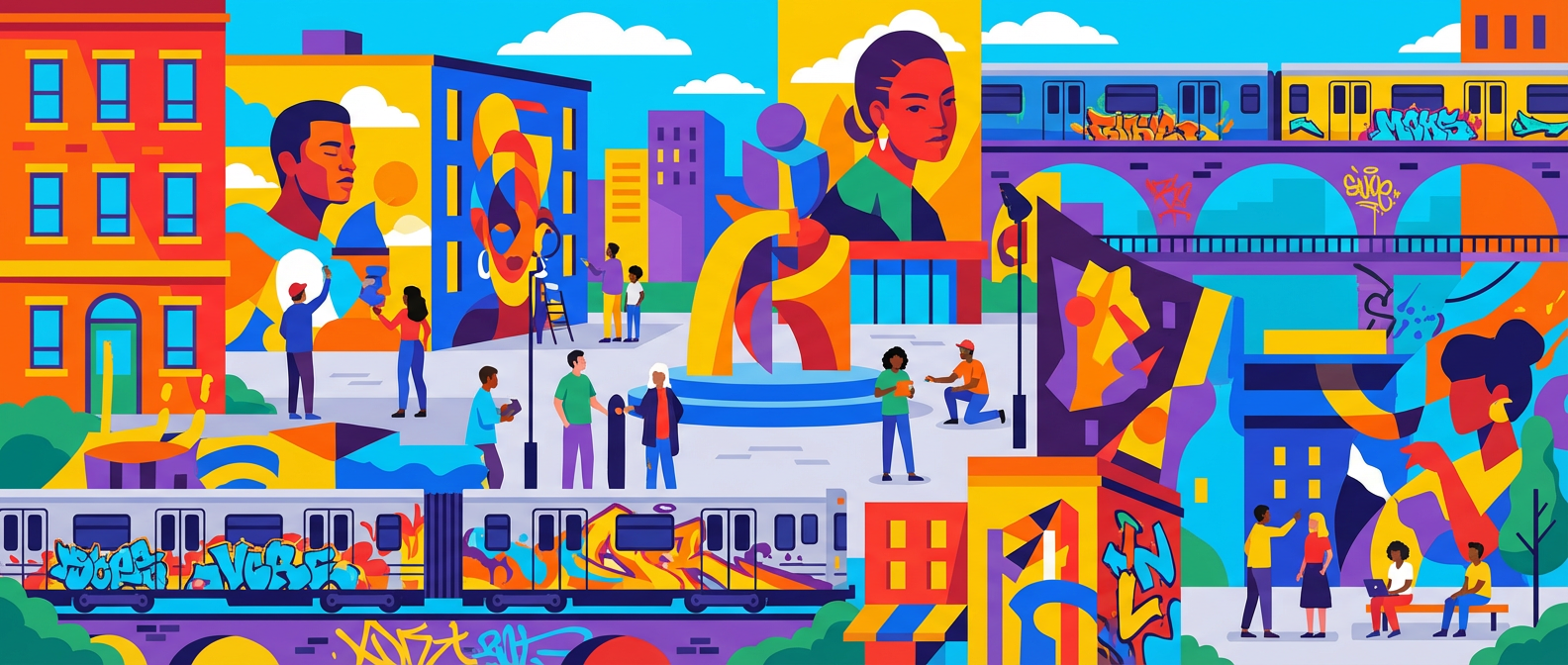
The contrast reveals something deeper about how we value art. Traditional galleries depend on provenance, authenticity certificates, and artist biographies. Street art works differently. A piece’s power comes from location, message, and cultural moment rather than signature or pedigree.
This change questions everything museums taught us about artistic worth. When a stenciled rat on a crumbling wall costs more than traditional paintings, we have to rethink what makes art valuable. The answer isn’t in materials or techniques. It’s in cultural impact and how deeply the work connects with people.
Walls as Canvas, Cities as Galleries
Urban regeneration projects increasingly replace advertising billboards with commissioned murals. This transformation shows a major shift in how cities view their visual landscape. Where corporate messaging once ruled, local artists now contribute to neighborhood identity and cultural conversation.
The change reflects growing awareness that public art serves communities differently than commercial advertising. Murals tell local stories, celebrate cultural heritage, and invite residents to see familiar spaces with fresh eyes. They create gathering points and conversation starters in ways that product advertisements never could.
But this transition raises questions about authenticity and purpose. When city councils commission street art, does it keep its rebellious spirit? The tension between official approval and artistic independence continues to shape contemporary public art movements. Widewalls street art coverage documents how artists navigate these complex relationships between creative freedom and municipal partnerships.
Tourism Meets Transgression
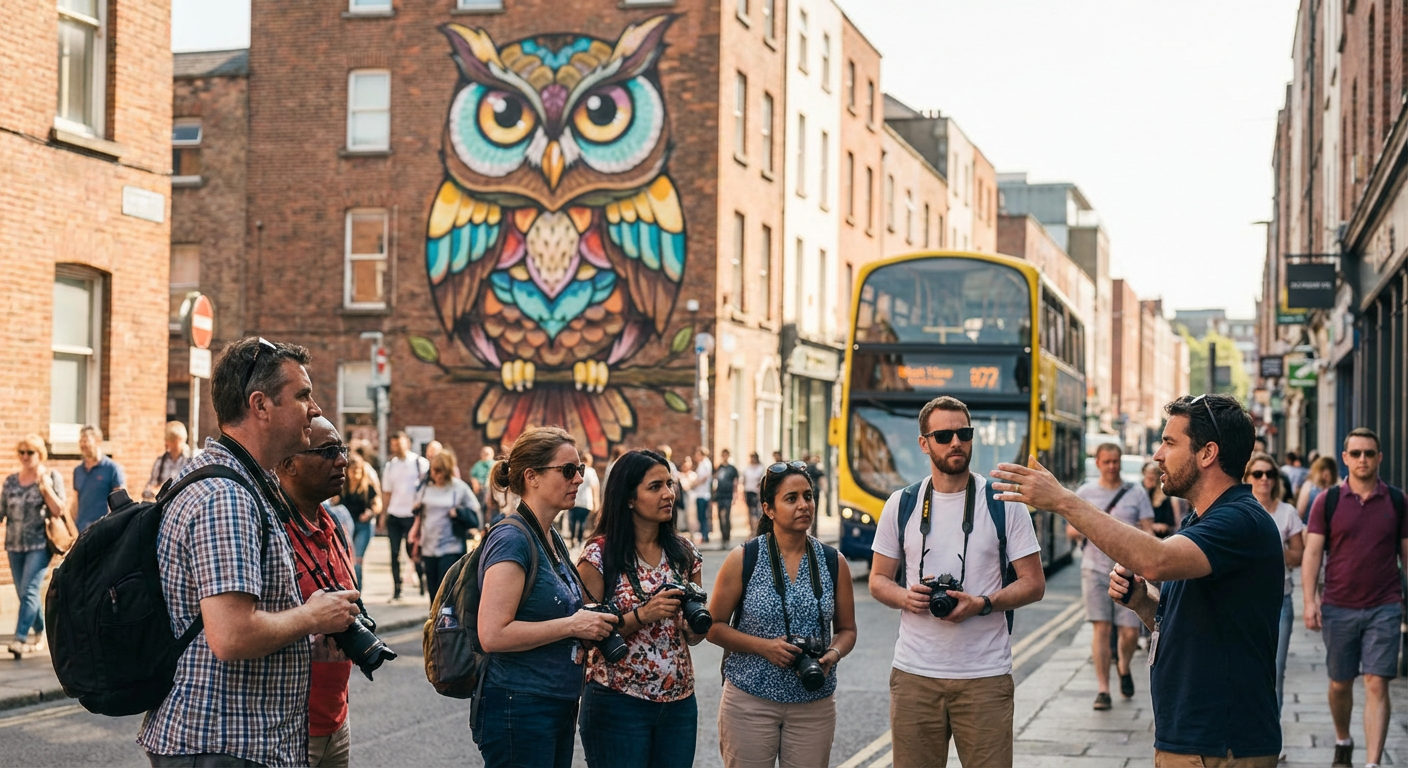
Street art tours now rank among the top five tourist activities in major cities according to TripAdvisor data. This popularity turns underground art movements into mainstream cultural experiences. Visitors want real encounters with local creativity, finding them in neighborhoods previously overlooked by traditional tourism.
The whole thing creates weird contradictions. Art that came from countercultural movements now drives economic development. Neighborhoods gain visibility and foot traffic, but also face gentrification pressures. Local artists get more exposure while sometimes losing the tight community connections that originally inspired their work.
These tours also make art appreciation more accessible. People discover creativity in unexpected places, learning that galleries don’t have a monopoly on meaningful artistic expression. Street art tours spark broader conversations about who creates art, where it belongs, and who gets to decide its value.
The Balancing Act of Urban Aesthetics
City governments walk a tightrope between removing unwanted graffiti and investing in public art programs. This delicate balance reflects competing visions of urban aesthetics and community expression. Officials must tell the difference between vandalism and valuable cultural contributions while maintaining public spaces that work for everyone.
The challenge gets harder because yesterday’s illegal graffiti might become tomorrow’s protected mural. Artistic merit, community support, and cultural significance all factor into these decisions. Some cities establish legal graffiti walls or designated art zones, trying to channel creative energy into approved spaces.
Yet this institutional approach sometimes misses the point. Street art’s power often comes from its unexpected placement and guerrilla nature. Legal spaces might provide protection but they sacrifice the element of surprise that makes street art compelling. Street Art News covers ongoing debates about regulation, preservation, and artistic freedom in urban environments.
Digital Extensions and Collective Reclamation
Technology pushes street art beyond physical walls through digital projection mapping and interactive installations. Artists now create immersive experiences that respond to movement, sound, or time of day. These innovations blur the lines between street art, performance, and digital media.
At the same time, artist collectives take over abandoned buildings as temporary galleries and creative spaces. These projects tackle both housing crises and artistic access by transforming neglected properties into active cultural hubs. The approach shows how creative communities can revitalize urban areas through grassroots organizing rather than top-down development.
Both trends show street art’s evolution beyond static visual statements. Today’s practitioners embrace collaboration, technology, and community engagement to create art that actively shapes social spaces. They prove that public art movements keep adapting and expanding their influence on urban life.
These parallel developments in street art reveal key questions about creativity, ownership, and public space in modern cities. As digital tools and collective action change how we experience art in urban environments, the conversation between rebellious expression and institutional acceptance keeps evolving. The most compelling street art still emerges from this productive tension between order and chaos, approval and transgression.