The Bedroom Revolution: How Home Studios Transformed Music Creation
Your Bedroom Is Now a Professional Studio
The music industry has quietly gone through its biggest change in decades. Walk into any teenager’s bedroom today and you might find a setup that beats professional recording studios from just twenty years ago. This isn’t just about better technology. The whole idea of who gets to make music and how they do it has been flipped upside down.
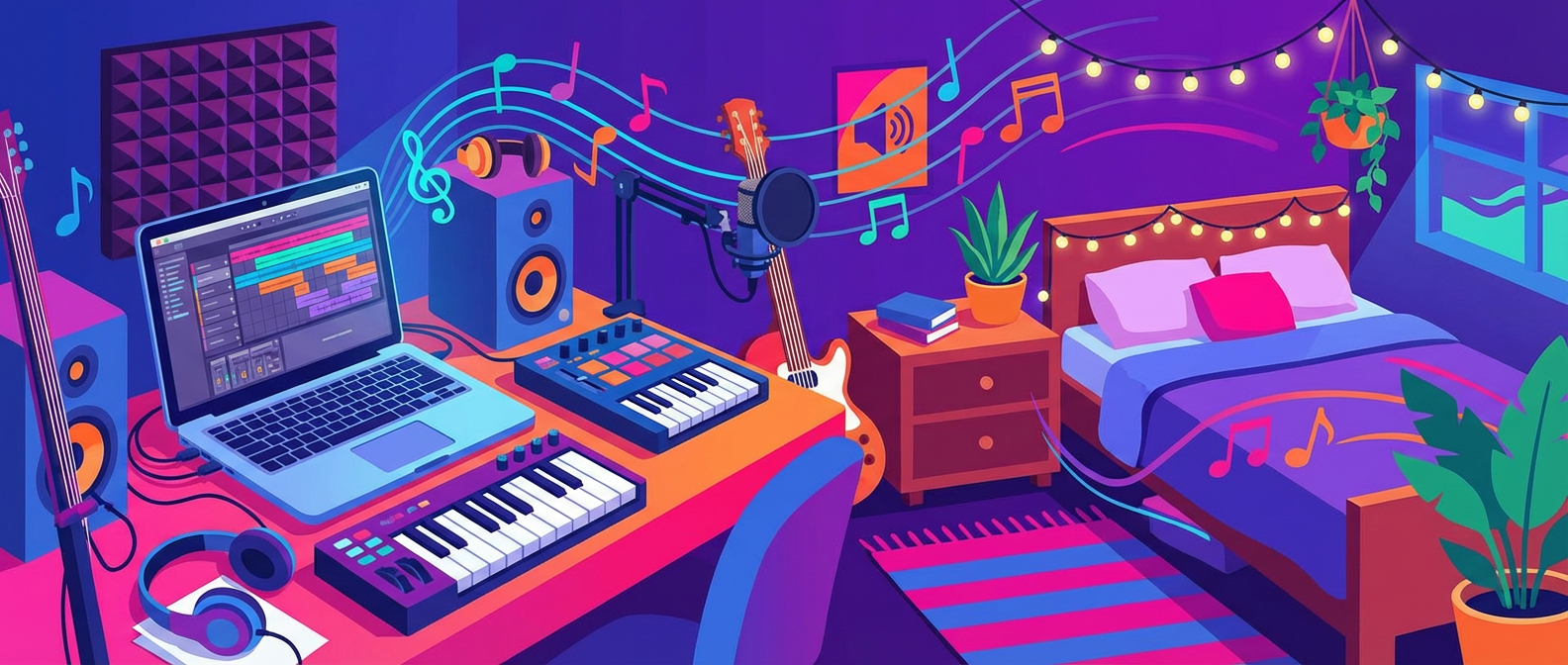
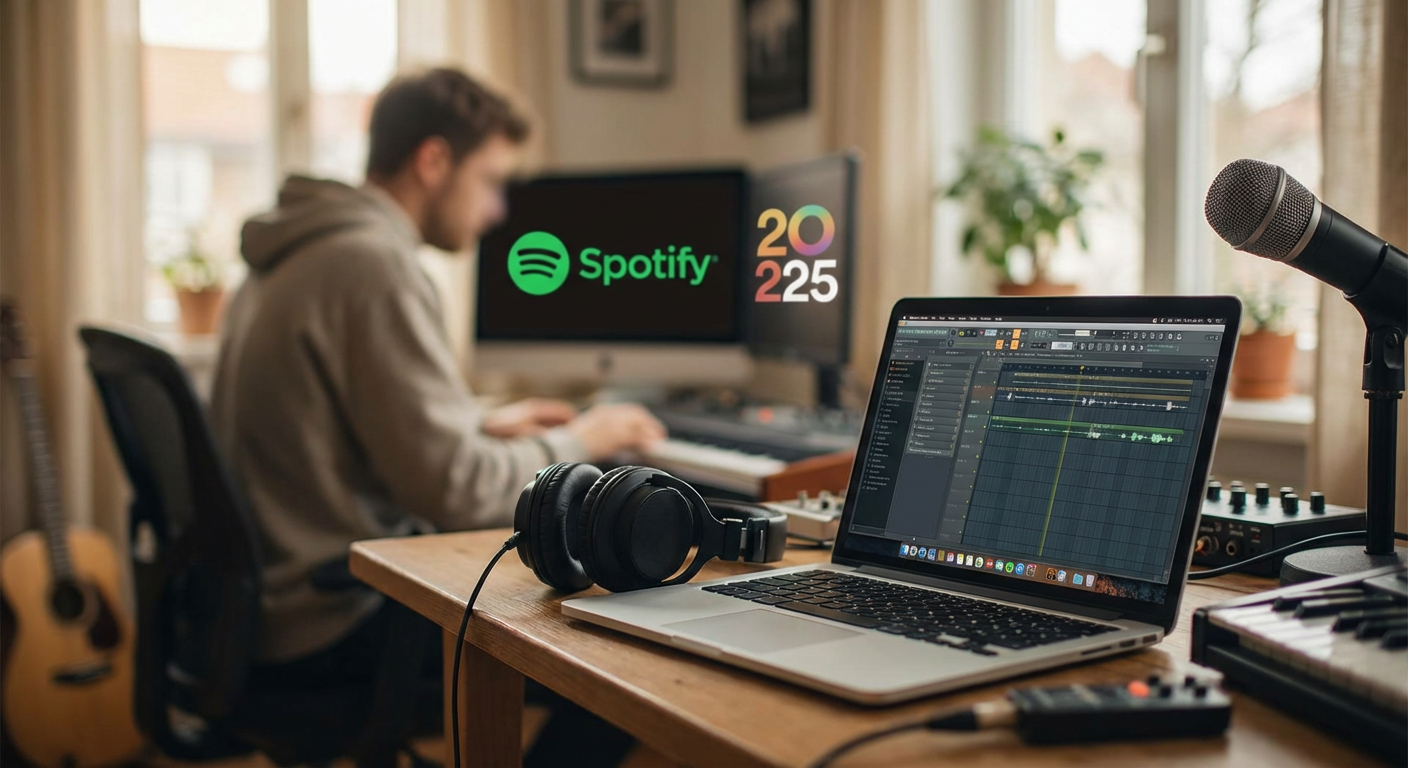
The numbers tell the whole story. Nearly three-quarters of all music uploaded to Spotify this year came from home recording setups. That laptop on your desk? It’s probably more powerful than what The Beatles used to record Sgt. Pepper’s. The wall between bedroom dreamers and chart-topping artists has basically disappeared, creating chances that musicians from earlier generations could never dream of.
This didn’t happen by chance. Digital Audio Workstations like Ableton Live, FL Studio, and Logic Pro have wiped out the money barrier that used to make music production an exclusive club. Recording an album used to cost tens of thousands of dollars and months of studio time. Now you need creativity and a computer.
The Bedroom Pop Phenomenon
Bedroom pop became the perfect soundtrack to this revolution. The genre’s deliberately lo-fi sound turned technical problems into artistic choices. Fuzzy vocals, tape hiss, and intimate production became things you wanted, not flaws to fix. Artists like Clairo, Boy Pablo, and Rex Orange County proved you didn’t need glossy perfection to hit the charts.
Since 2019, bedroom pop has consistently put artists on the Billboard charts, proving that people want real over polished. The genre’s success backs up what bedroom producers always knew: sometimes the best music happens when you’re not trying to sound professional. That warmth of analog equipment, recreated through digital plugins, creates an emotional connection that hits listeners right in the gut.
This success story goes way beyond bedroom pop itself. It shows that independent artists can go head-to-head with major label releases. The playing field has evened out in ways that seemed impossible just ten years ago. Streaming platforms don’t care if your track came from Abbey Road Studios or your spare bedroom. They just serve whatever people want to hear.
Creative Challenges in the Digital Age
But this new accessibility brings some real headaches. Sample clearance costs still block independent artists from using classic material in their work. What major labels handle through legal teams and licensing deals becomes way too expensive for bedroom producers. The irony stings: technology has made sampling easier than ever, but the legal system hasn’t caught up to support independent creativity.
Artificial intelligence has thrown another wrench into the mix. AI stem separation tools now let people do unauthorized remixing on a massive scale. Producers can pull individual instruments out of existing recordings with scary accuracy. This creates amazing creative possibilities while raising serious questions about intellectual property and artistic consent. The technology is racing ahead of legal understanding, leaving artists in a gray zone.
These challenges show the tension between what technology can do and what’s ethically right. Pitchfork music criticism often explores how independent artists handle these gray areas, trying to balance creative inspiration with legal responsibility. The discussions in online producer communities show how seriously creators take these concerns, even while they push boundaries in their work.
The Analog Revival in Digital Spaces
Here’s something nobody saw coming: the digital revolution has actually sparked new interest in analog formats. Vinyl sales have beaten CD sales for three straight years, hitting heights not seen since the 1980s. This isn’t just nostalgia. People are deliberately choosing to experience music as a physical, intentional activity instead of background streaming.
Bedroom producers are jumping on this trend, designing albums specifically for vinyl release. They think about how songs flow across sides, how dynamics translate to the format, and how artwork works with the listening experience. Vinyl’s limitations force creative decisions that digital formats don’t require. Side breaks become intentional pauses. Dynamic range matters again.
This physical revival is changing production styles too. Many bedroom producers now deliberately add vinyl-style artifacts to their digital recordings. They’re not trying to trick anyone. They’re using familiar sounds to create emotional connections with listeners who connect those characteristics with favorite records from their collections.
Technical Resources for Aspiring Producers
Getting started needs less gear than most people think. A decent audio interface, one microphone, and closed-back headphones can launch a home studio. The learning curve isn’t about buying equipment. It’s about understanding how sound works and developing your artistic voice through experimentation and practice.
Sound on Sound production has detailed guidance for producers at every level, from basic recording techniques to advanced mixing strategies. The technical knowledge that used to require expensive education is now free online. YouTube tutorials, producer forums, and sample libraries provide education and inspiration in equal amounts.
The key insight experienced producers share is simple: start making music right now. Don’t wait for better equipment or more knowledge. The best learning happens by doing. Your first recordings won’t be perfect, but they’ll be yours. That ownership, that personal expression, is what turns bedroom experiments into real art.
The bedroom revolution keeps growing, driven by creators who won’t wait for permission to make music. Whether you’re curious about production techniques, drawn to bedroom pop’s aesthetic, or just ready to turn musical ideas into reality, the tools and community exist to support your journey. Your bedroom studio is waiting. What will you create there?