From Vandalism to Validation: How Street Art Conquered the Cultural Mainstream
The Anonymous Revolution Worth Millions
Walk through any major city today and you’ll see a transformation decades in the making. Street art has ditched its underground skin and emerged as a dominant cultural force. The numbers are wild. Anonymous artists like Banksy now command market values exceeding one hundred million dollars annually, proving that mystique sells as powerfully as paint on brick.
This isn’t just about one mysterious figure with a stencil. The entire street art world has exploded into a billion-dollar industry. Galleries chase muralists. Collectors hunt for pieces on warehouse walls. Museums dedicate entire wings to work that once lived exclusively in alleys and subway tunnels.
The irony cuts deep. Art born from rebellion against institutional power now hangs in those very institutions. But this mainstream adoption hasn’t killed the movement’s edge. Instead, it’s created a messy ecosystem where underground credibility and commercial success fight it out in complicated ways.
Cities as Living Galleries
Urban planners have figured out what artists knew all along: walls speak louder than words. Commissioned murals now replace traditional advertising boards across regeneration projects from Detroit to Berlin. City officials who once spent budgets only on graffiti removal now invest millions in public art programs.
This shift is more than aesthetic preference. It’s economic strategy. Street art tours consistently rank among the top five tourist activities in major cities according to travel platforms. Visitors specifically seek out neighborhoods to see murals, bringing cash to local businesses and transforming forgotten districts into cultural hotspots.
The Widewalls street art coverage documents this global phenomenon, showing how cities worldwide embrace muralism as urban policy. From Buenos Aires to Melbourne, mayors commission artists to reimagine public spaces. The results speak for themselves: increased foot traffic, rising property values, and renewed community pride.
But this success creates new tensions. Gentrification follows art like shadow follows light. The same murals that revitalize neighborhoods often price out longtime residents. Artists find themselves unwitting agents of change they never intended to trigger.
Digital Streets and Virtual Walls
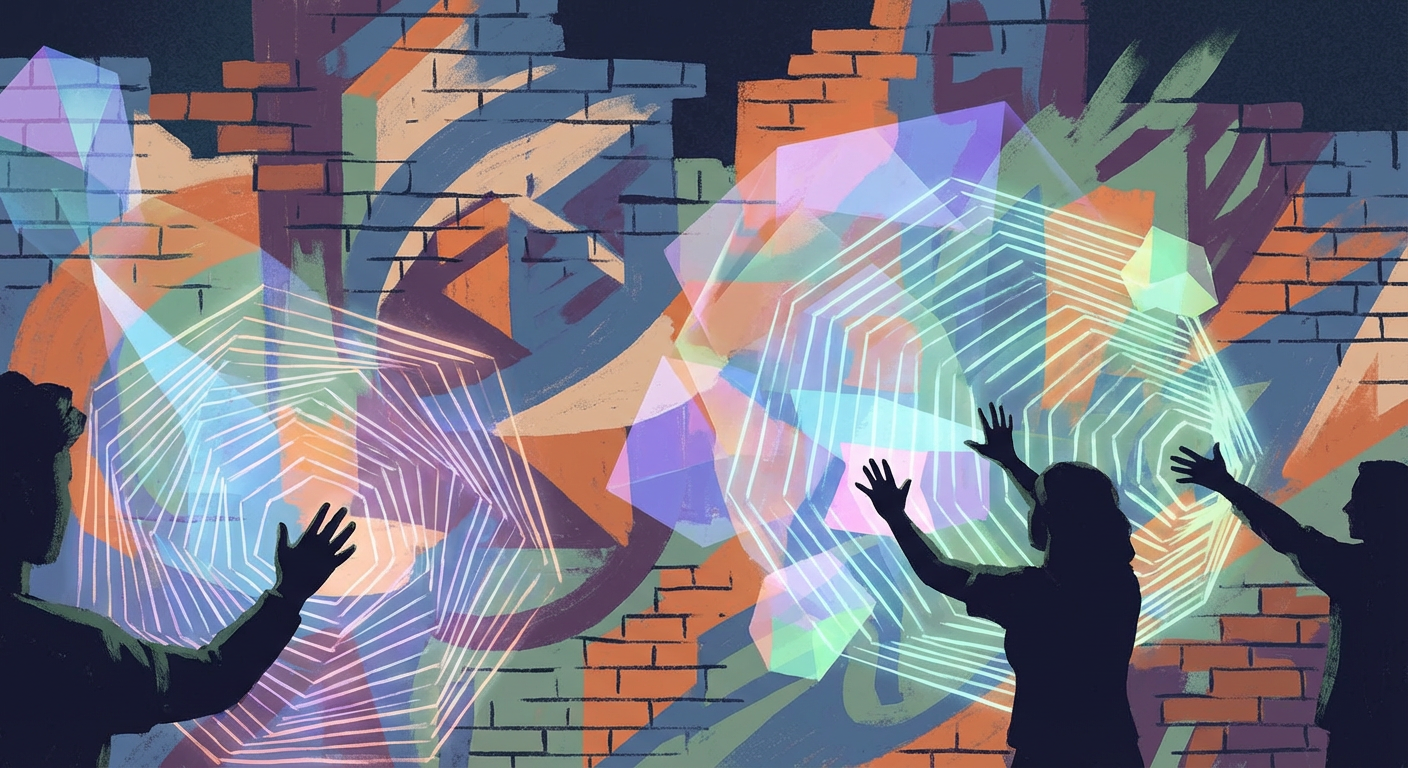
Technology has pushed street art beyond physical boundaries. Digital projection mapping transforms buildings into animated canvases. Artists beam interactive experiences onto surfaces, creating temporary installations that respond to movement and sound. The street becomes a screen.
These digital experiments expand what public art can be. No longer bound by permanent materials, artists create ephemeral works that appear and disappear like urban ghosts. QR codes embedded in traditional murals link to augmented reality experiences, layering digital content over physical paint.
Social media amplifies every piece. Instagram turns murals into viral content. TikTok videos of creation processes reach millions. Street art lives simultaneously in physical and digital realms, multiplying its audience exponentially. Street Art News chronicles this evolution, documenting how technology reshapes artistic practice and public engagement.
Collectives and Occupied Spaces
While individual artists grab headlines, collectives quietly reshape urban landscapes. Groups of artists occupy abandoned buildings, transforming derelict spaces into temporary galleries. These pop-up venues host exhibitions, workshops, and community events before developers reclaim the property.
These artist-run spaces operate outside traditional gallery systems. No curators. No admission fees. No institutional gatekeepers. Artists display work on their terms, creating authentic cultural experiences that reflect local communities rather than distant market demands.
The temporary nature of these spaces adds urgency to their impact. Visitors know each exhibition might be the last. This impermanence creates intense cultural moments that burn bright before flickering out, leaving lasting impressions on participants and neighborhoods alike.
Many collectives focus on social justice themes, using art to address gentrification, police violence, and economic inequality. Their work carries political weight that commercial galleries often dilute or avoid entirely. These spaces preserve street art’s activist roots while the mainstream movement grows increasingly sanitized.
The Authority Paradox
City governments face an impossible balance. Remove graffiti too aggressively and stifle cultural expression. Ignore vandalism entirely and face community backlash. The solution involves policies that try to distinguish between sanctioned public art and illegal tagging.
Some cities designate legal graffiti walls where artists can work without fear of prosecution. Others create permit systems for murals on private property. These compromises attempt to channel creative energy while maintaining civic order, though artists debate whether regulation kills authenticity.
The conversation keeps evolving. Young artists push boundaries while established figures gain institutional recognition. New voices emerge from communities previously excluded from gallery representation. The movement’s future depends on maintaining its democratic spirit while navigating commercial pressures.
Street art’s journey from subcultural rebellion to mainstream phenomenon reveals art’s power to transform cities and consciousness alike. Whether viewed through gallery windows or discovered on morning commutes, these works continue reshaping how we experience urban life. The walls are speaking, and honestly, they have a lot to say.