When Museums Go Virtual: The Louvre’s $890 Million Bet on Digital Art
The Great Digital Gamble
Picture this: you’re standing in your living room, but your fingertips are tracing the actual brushstrokes of the Mona Lisa. Not a reproduction. Not a photograph. The literal texture of Leonardo’s paint, captured through haptic feedback technology that translates da Vinci’s hand movements into sensation. This isn’t science fiction anymore. The Louvre’s new ‘Eternal Museum’ virtual reality platform launched in February 2026 with nearly $890 million in development costs, and it’s forcing us to ask some uncomfortable questions about what art actually is.
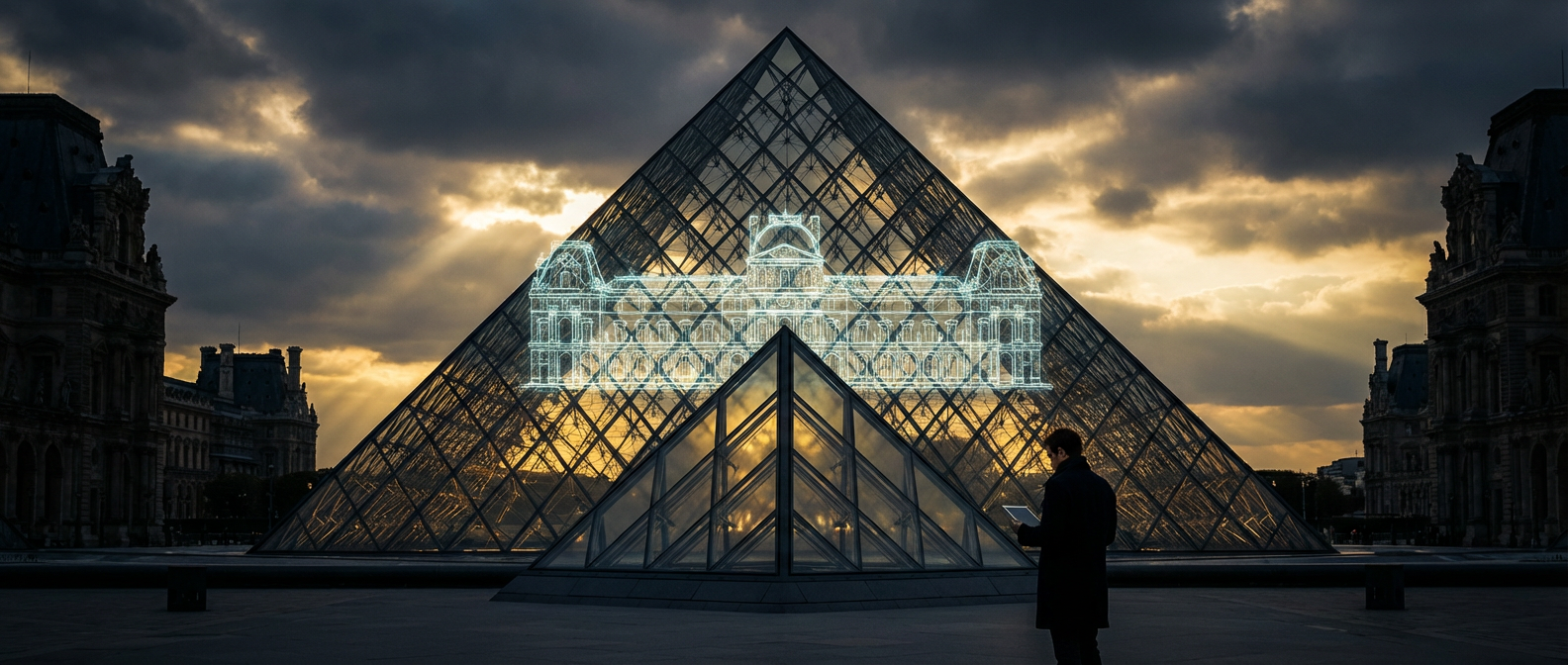
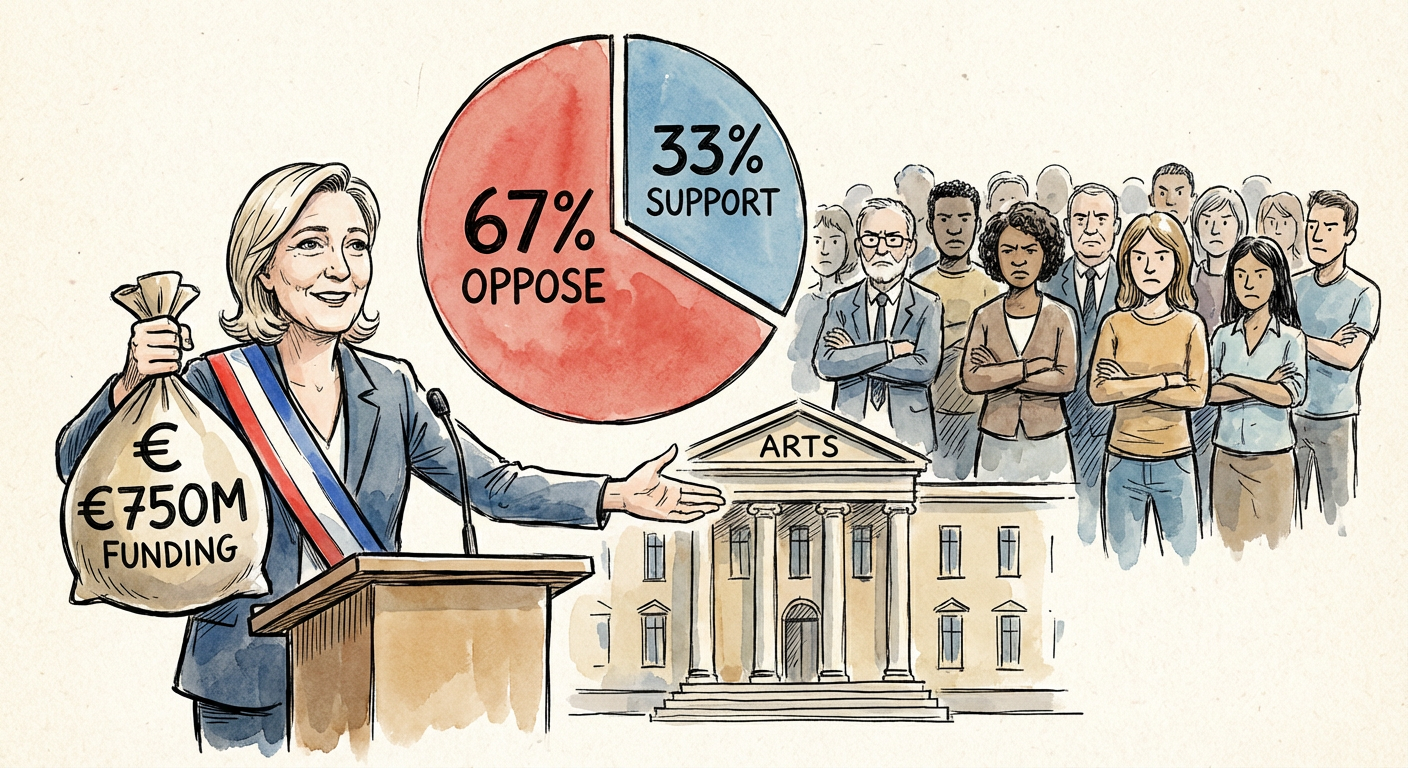
The numbers tell a wild story. In its first month, the platform drew 2.3 million virtual visitors compared to just 380,000 people who walked through the physical museum doors. That’s six times more engagement with art, but is it the same art? French cultural minister Sophie Dubois championed the project with €750 million in government funding, even as 67% of the public opposed the massive expenditure. The Louvre Digital Transformation Initiative represents either the future of cultural access or the beginning of art’s commodification into pixels.
The Texture of Authenticity
Here’s where it gets really interesting. The platform doesn’t just show you 1,847 digitized masterpieces. It lets you feel them. The haptic technology captures the raised texture of Van Gogh’s thick impasto, the smooth glaze on a Vermeer, even the subtle weave of canvas beneath Delacroix’s revolutionary fervor. When I first heard about this, my art historian brain went into overdrive. We’ve always talked about the “aura” of original artworks, that Walter Benjamin concept about physical presence carrying meaning. But what happens when technology can replicate not just the visual but the tactile experience?
Think about medieval stained glass for a moment. Those craftsmen weren’t just creating images, they were manipulating light itself. They used colored glass to transform ordinary sunlight into something transcendent. The physical properties of the medium were inseparable from the artistic message. Now we have technology that claims to reproduce the physical properties of paint and canvas. It’s like creating digital stained glass that somehow captures the way light behaves through actual glass. Amazing? Yes. Authentic? That’s where the debate begins.
The Vatican Watches and Waits
The art world is scrambling to catch up. Following the Louvre’s 43% increase in global brand recognition metrics, the Vatican announced similar plans for their own collections. Suddenly we’re looking at a future where the Sistine Chapel ceiling might be more accessible through VR than through the actual chapel, where virtual pilgrims outnumber physical ones. This isn’t just about museums adapting to technology. It’s about fundamentally shifting how we understand cultural experience.
Consider the parallel with photography’s impact on painting in the 19th century. When cameras could capture reality with mechanical precision, painters didn’t disappear. They evolved. Impressionists stopped trying to replicate what they saw and started capturing how light felt. Abstract artists abandoned representation entirely. The question now is whether virtual reality will push physical museums toward a similar evolution, or whether it represents something entirely different: the replacement of experience with simulation.
Democracy Versus Sanctity
Let’s be honest about the accessibility argument. The traditional Louvre experience is inherently elitist. You need money for travel, time for planning, and often the cultural capital to navigate museum spaces confidently. The virtual platform democratizes access in ways that would have been impossible even five years ago. A student in rural Bangladesh can now explore the same collections as a wealthy collector from Manhattan. The UNESCO Virtual Heritage Guidelines specifically emphasize this democratization as crucial for global cultural equity.
But there’s a counterargument that makes my skin crawl a little. Are we solving accessibility by eliminating the thing we’re trying to make accessible? When you digitize the Winged Victory of Samothrace, you lose the way that massive marble sculpture commands physical space. You lose how it changes as you walk around it, the way other visitors’ presence affects your viewing experience. You gain precision and convenience, but you lose serendipity and scale.
The Future Canvas
What excites me most isn’t the technology itself, but how it might change what artists create next. Just like the invention of oil paint led to new artistic possibilities, or how the development of synthetic pigments gave us Impressionism’s bright blues and purples, VR platforms might generate entirely new art forms. We’re already seeing digital artists creating works specifically for virtual spaces, pieces that couldn’t exist in physical reality.
Maybe the real question isn’t whether digital twins threaten traditional museums. Maybe they’ll force us to articulate what makes physical art experiences irreplaceable. The Louvre’s $890 million experiment might be the catalyst that helps us understand the difference between seeing art and experiencing it, between accessing culture and being transformed by it.
What do you think? Have you experienced art through VR technology? Does the idea of feeling Van Gogh’s brushstrokes through haptic feedback excite you or leave you cold? I’d love to hear how this digital revolution is changing your relationship with art, whether you’re a gallery regular or someone who’s always felt intimidated by museum spaces.