Why My First “Real” Art Purchase Cost Less Than Dinner Out

The $15 Lithograph That Changed Everything I bought my first piece of “real” art from a card table outside the Philadelphia Museum of Art for fifteen dollars. The vendor had spread dozens of lithographs across a folding table—original prints by local artists, not posters or reproductions. The piece I chose…

The Woman Who Watched Napoleon Lose Everything

When Portraits Become Time Capsules In Madrid’s Prado Museum, I watched a tour group rush past Francisco Goya’s portrait of the Marquesa de Pontejos without a second glance. They were hunting for Las Meninas down the hall. But this seemingly simple portrait of a woman in white silk holds secrets…

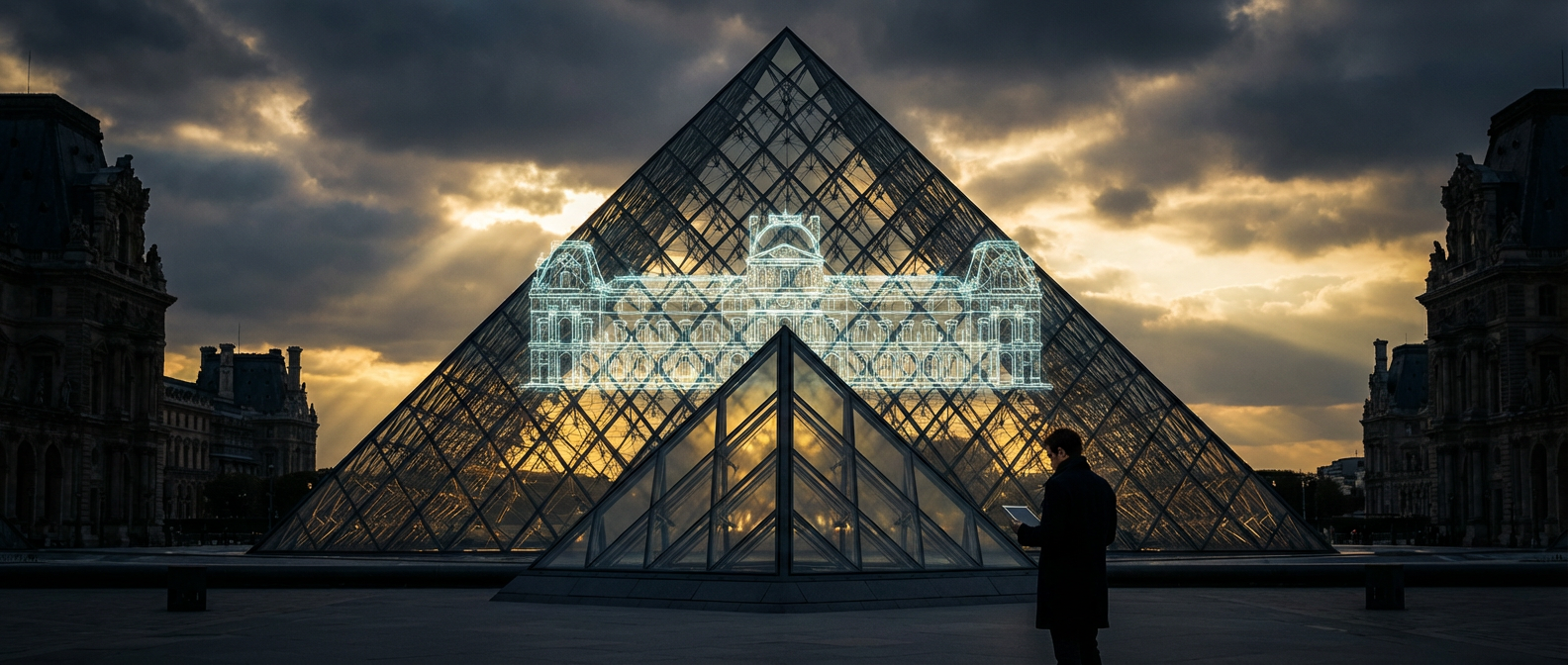
When Museums Go Virtual: The Louvre’s $890 Million Bet on Digital Art

The Great Digital Gamble Picture this: you’re standing in your living room, but your fingertips are tracing the actual brushstrokes of the Mona Lisa. Not a reproduction. Not a photograph. The literal texture of Leonardo’s paint, captured through haptic feedback technology that translates da Vinci’s hand movements into sensation. This…

Why Your Coffee Mug Shares DNA with Ancient Greek Amphoras

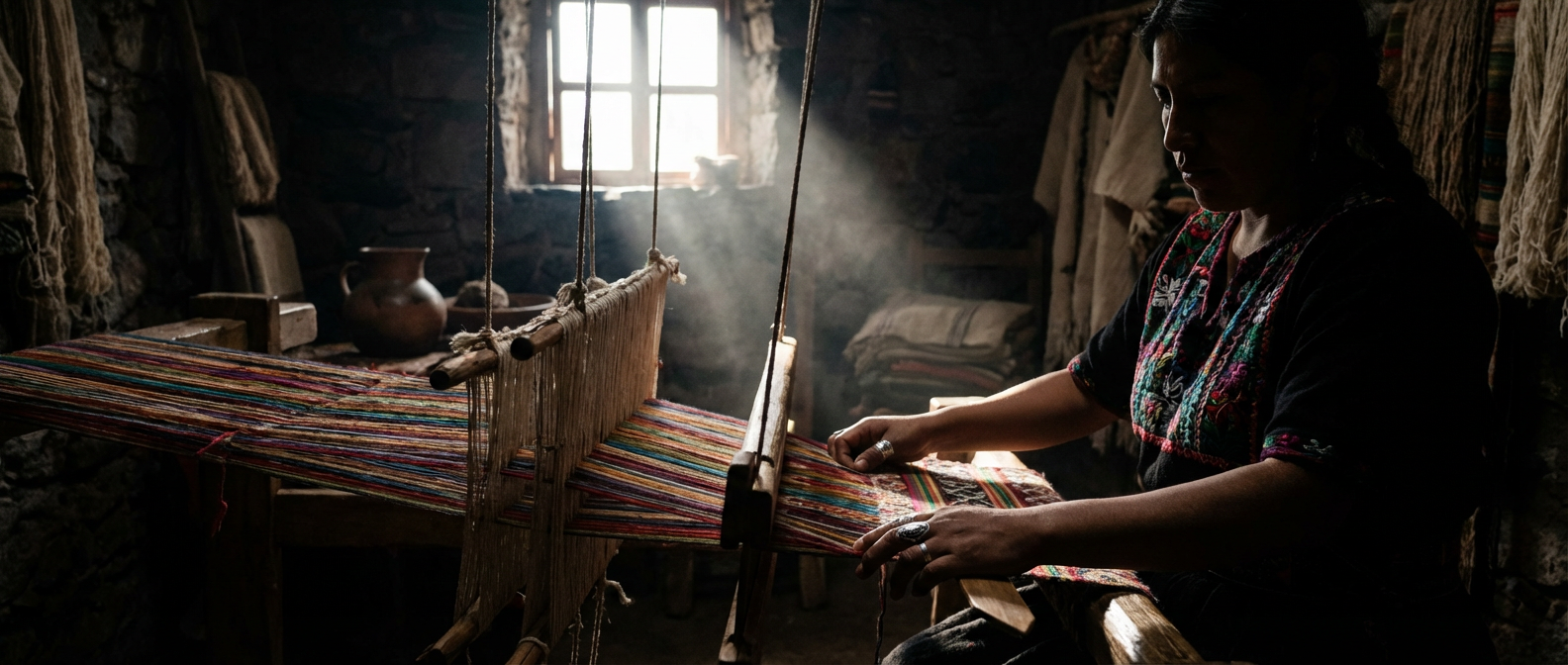
The Coil That Connects Millennia Watch a contemporary ceramic artist build a vessel by hand, and you’re witnessing a conversation that spans five thousand years. That rhythmic motion of rolling clay into ropes and spiraling them upward? It’s the same technique that shaped storage jars in ancient Mesopotamia. The potter’s…

Why Your First Watercolor Kit Matters More Than Monet’s Did

The Moment Everything Changes Picture this: you’re standing in front of Winslow Homer’s “The Gulf Stream” at the Met, watching how those translucent blues seem to glow from within the paper. The shark fins emerge from washes so delicate they feel like whispers. Then you think, “I want to do…

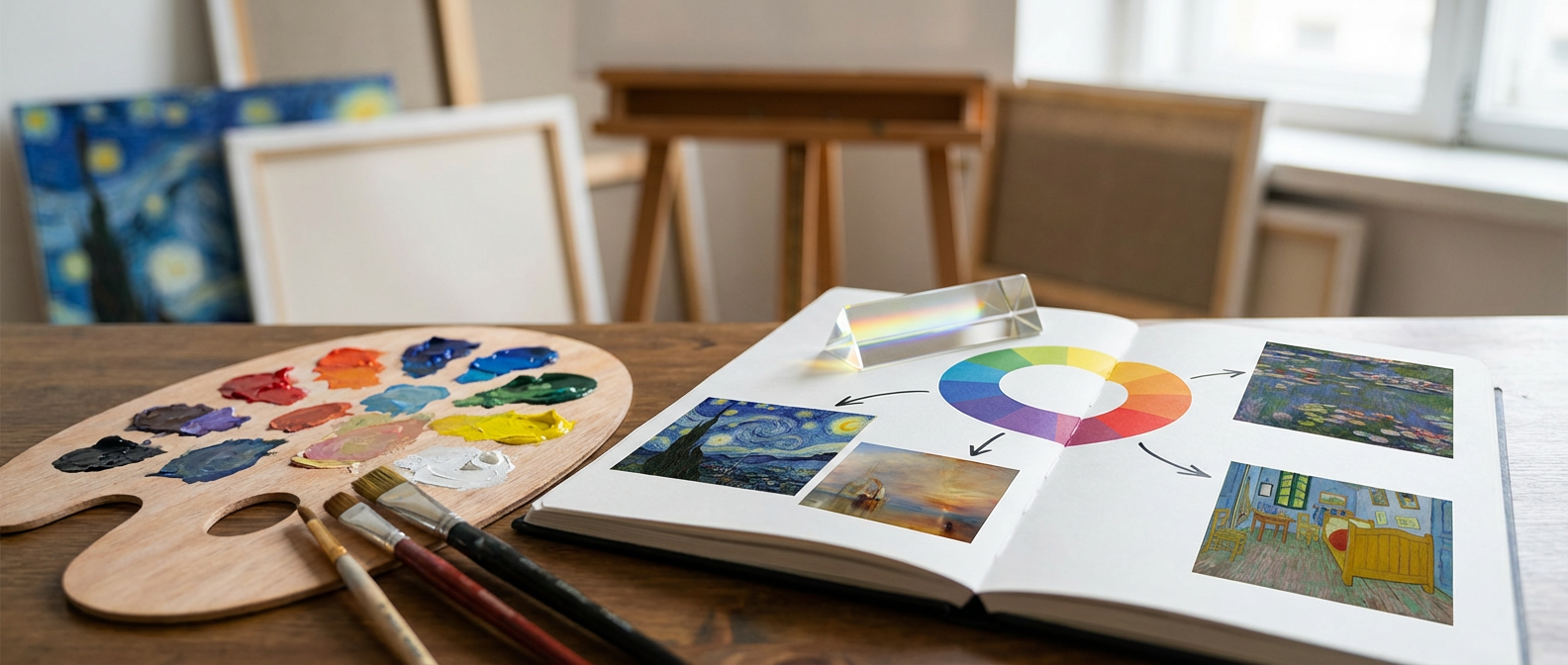
Why Monet’s Haystacks Changed Color Science Forever

The Mystery of the Shifting Haystacks Claude Monet painted the same haystack thirty times. Not because he was stuck for ideas, but because he discovered something that would change how we understand color. Standing in his field at Giverny, easel after easel, he watched those golden bundles transform from cool…